


Mammoth Molar for sale
Mammoth Molar for sale directly from trusted sources—authenticated Ice Age treasures preserved in permafrost for thousands of years. Each molar showcases the distinctive ridged enamel plates that powered these magnificent creatures through harsh Pleistocene climates. From museum-quality complete specimens with intact roots to collectible tooth fragments, our selection offers genuine fossils perfect for serious paleontology enthusiasts, natural history collections, educational displays, and distinctive home décor that sparks conversation about Earth’s prehistoric past.
Showing 1–12 of 20 results
-
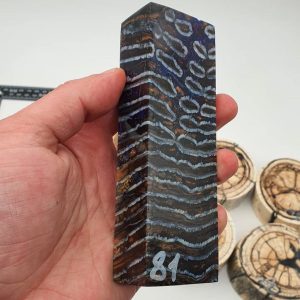
Mammoth tooth block
Mammoth Molar for sale Price range: $90.00 through $120.00Select options This product has multiple variants. The options may be chosen on the product pageClear9293949596979899100101102103104105106107108109110111112 -
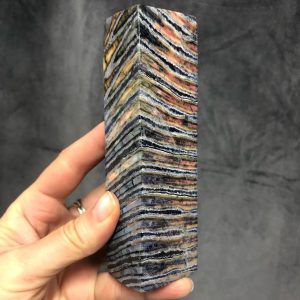
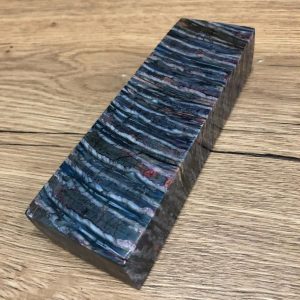
Stabilized mammoth tooth
Mammoth Molar for sale Price range: $110.00 through $120.00Select options This product has multiple variants. The options may be chosen on the product pageClear130*35*35(30) mm140*55*10mm





Why Collectors Choose Authentic Mammoth Molars
Mammoth teeth represent some of the most fascinating remnants from the Ice Age. Unlike simple fossilized bones, these grinding teeth reveal extraordinary evolutionary adaptation through their complex structure. Each molar consists of multiple parallel enamel plates held together by dentine and cementum—a sophisticated design that allowed mammoths to process tough vegetation throughout their 60-year lifespans. Woolly mammoths possessed up to 26 separated ridges within a single tooth, creating the distinctive washboard pattern that paleontologists use for species identification.
The structural beauty alone makes these fossils highly sought after. When examining a mammoth molar, you’ll notice how the enamel plates create natural patterns resembling abstract art. Colors range from creamy whites and warm browns to rich burgundy and dark chocolate hues, depending on mineral deposits absorbed during fossilization. This variation means no two molars look identical—each carries its own unique character shaped by thousands of years beneath frozen ground.
Discovering Premium Specimens Worth Collecting
Quality matters significantly when investing in prehistoric fossils. Superior mammoth molars exhibit several key characteristics. Complete specimens with intact roots command premium value among serious collectors, as discovering teeth with undamaged root structures remains relatively uncommon. The chewing surface should display clear enamel ridge definition, allowing observers to appreciate the tooth’s functional design. Well-preserved molars show minimal cracking, maintain structural integrity throughout, and demonstrate rich natural coloration without excessive weathering or erosion damage.
Provenance adds another dimension to value. Specimens recovered from Siberian permafrost often retain exceptional preservation due to continuous freezing since the Pleistocene epoch. North Sea discoveries from the Dogger Bank region—an area that connected Britain to continental Europe during lower Ice Age sea levels—also yield remarkable finds. Florida deposits produce Columbian mammoth molars with distinctive characteristics differing from their woolly cousins. Understanding geographic origin helps collectors appreciate the ecological context behind each specimen.
Educational Value Beyond Aesthetic Appeal
Owning a mammoth molar provides tangible connection to paleontology that books cannot replicate. These teeth offer hands-on learning opportunities about mammalian evolution, dietary adaptations, and climate change impacts across geological time. Parents find them invaluable for inspiring children’s curiosity about natural history and scientific inquiry. The plate structure visible in cross-sections demonstrates how evolution solved specific environmental challenges—thick enamel ridges that continuously wore down while new grinding surfaces emerged from below.
Schools, museums, and educational institutions frequently seek authentic specimens for teaching collections. A genuine mammoth molar transforms abstract prehistoric concepts into physical reality students can examine directly. The weight, texture, and visible wear patterns tell stories about individual animals that once roamed Earth’s northern latitudes. These fossils spark discussions about extinction, climate fluctuations, and humanity’s responsibility toward currently endangered species.
Display Considerations and Long-Term Care
Presenting mammoth molars effectively enhances their visual impact. Many collectors prefer custom stands that position teeth to showcase the distinctive enamel ridge patterns on chewing surfaces. Proper lighting emphasizes natural color variations and textural details. Museum-style risers or shadow boxes provide professional presentation suitable for offices, libraries, or home collections. Larger specimens make dramatic centerpieces on mantels or bookshelves, while smaller fragments work beautifully in curiosity cabinets alongside other natural history artifacts.
Preservation requires minimal effort once properly fossilized and dried. Keep specimens away from prolonged direct sunlight, which can fade surface colors over decades. Avoid extreme humidity fluctuations that might cause expansion or contraction in partially fossilized sections. Gentle dusting with soft brushes maintains appearance without risk of damage. Unlike delicate minerals or crystals, mammoth molars prove remarkably durable—after surviving millennia underground, they handle normal display conditions easily.
Frequently Asked Questions About Mammoth Molars
How much does a real mammoth molar cost? Pricing varies widely based on size, completeness, condition, and species. Small tooth fragments start around $50-250, while museum-quality complete molars with intact roots range from $800-2000+. Exceptionally large specimens or those with rare colorations command higher prices among serious collectors.
What’s the difference between mammoth and mastodon molars? Mammoth molars feature parallel enamel plates creating ridged grinding surfaces, while mastodon teeth display conical cusps better suited for browsing softer vegetation. This structural difference reflects distinct dietary adaptations—mammoths specialized in grazing grasses, whereas mastodons preferred leaves and branches.
Are mammoth molar fossils legal to own? Yes, mammoth fossils remain completely legal to own, buy, and sell worldwide since these animals went extinct thousands of years ago. Unlike protected contemporary species, no regulations restrict mammoth fossil commerce, making them accessible to collectors at all levels.
How can I tell if a mammoth tooth is real? Authentic mammoth molars exhibit natural wear patterns on chewing surfaces, visible enamel plate structure, and appropriate weight for their size. Genuine fossils show mineralization throughout, not just surface treatments. Reputable dealers provide certificates of authenticity and detailed recovery information.
What size were mammoth molars? Adult woolly mammoth molars typically measured 8-12 inches long and weighed 5-12 pounds when complete with roots. Columbian mammoth specimens grew even larger. Juvenile teeth appeared proportionally smaller but displayed the same distinctive plate structure as adult molars.